
How Is Shilajit Formed in the Himalayas
-
Veda Stem- Admin
- Posted on
- 0 comments
How Is Shilajit Formed in the Himalayas
The Complete Science, Ayurveda & Purification Journey
Hidden within the towering Himalayan mountains lies one of nature’s most extraordinary substances—**Shilajit**. Revered in Ayurveda for thousands of years and increasingly studied by modern science, Shilajit is often described as a mineral-rich resin that supports overall wellness. Yet one question continues to fascinate researchers and consumers alike
“Understanding how Shilajit forms helps us appreciate why authentic Himalayan Shilajit is considered one of the rarest natural substances in traditional wellness.”
What Exactly Is Shilajit?
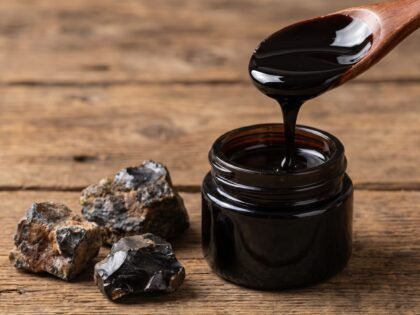
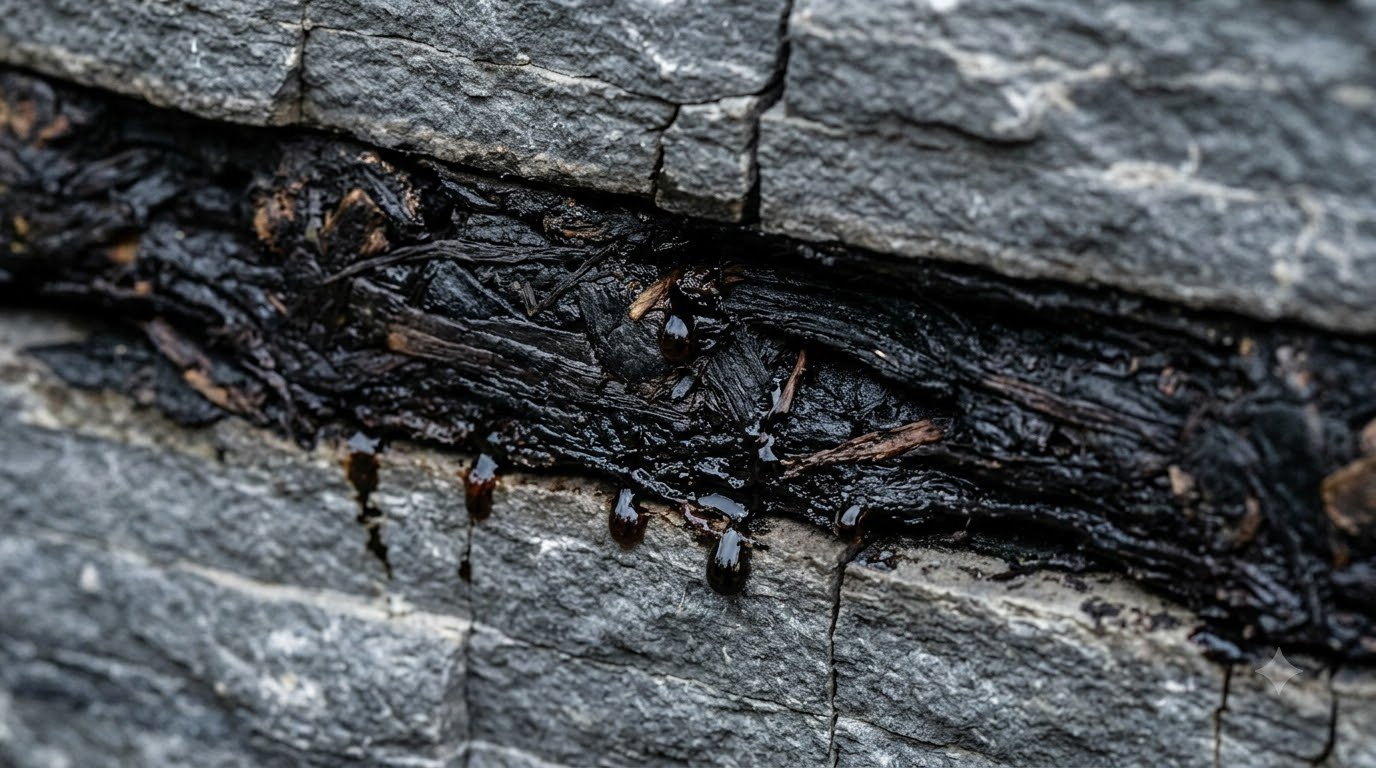
Shilajit is a naturally occurring organic-mineral substance that gradually emerges from cracks in high-altitude mountain rocks during warm summer months.
Its appearance is usually:
* Dark brown to black
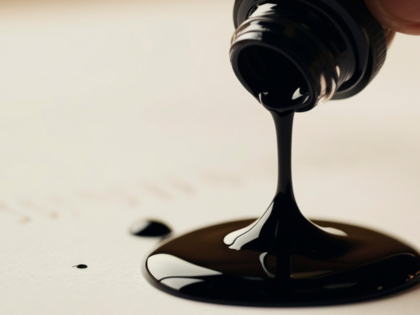
* Sticky or resin-like
* Earthy aroma
* Slightly bitter taste
Chemically, Shilajit is incredibly complex. Scientists have identified hundreds of naturally occurring compounds, including:
* Fulvic acid
* Humic substances
* Dibenzo-α-pyrones
* Amino acids
* Phenolic compounds
* Naturally occurring trace minerals
Rather than being a single plant or mineral, Shilajit is a unique combination of organic matter and minerals transformed by nature over hundreds of years.

Purity is one of the most important factors when choosing Shilajit. Since it is naturally collected from mountain rocks, raw Shilajit may contain impurities such as soil, sand, plant residues, and naturally occurring heavy metals. Proper purification and quality testing help ensure that the final product is clean, safe, and suitable for consumption.
The Geological Story Behind Himalayan Shilajit
The Himalayas are among the youngest mountain ranges on Earth, formed when the Indian tectonic plate collided with the Eurasian plate approximately **50 million years ago**. This immense geological event created dramatic elevations, mineral-rich rock formations, and diverse alpine ecosystems.
At elevations often exceeding **3,000–5,000 meters**, the environment is characterized by:
* Low oxygen levels
* Intense ultraviolet radiation
* Large temperature fluctuations
* Snow cover for much of the year
* Rich mineral deposits
* Diverse alpine plant life
These unique environmental conditions contribute to the long natural process through which Shilajit develops.
Nature's Slow Transformation
Unlike fruits or herbs harvested every year, Shilajit forms over centuries.
The process begins with alpine vegetation such as mosses, lichens, medicinal plants, and microscopic organisms that thrive in the Himalayan ecosystem.
As these plants complete their life cycle, they accumulate in rock crevices where they become trapped beneath layers of sediment and stone.
Because oxygen is limited, complete decomposition does not occur.
Instead, naturally occurring microorganisms slowly transform this plant material into increasingly complex organic compounds.
This gradual process continues for hundreds of years.
As mountain pressure increases and seasonal cycles repeat, the organic material becomes enriched with minerals from surrounding rocks.
Eventually, a dense mineral-rich resin begins to develop.
Why Does Shilajit Appear Only During Summer
One fascinating characteristic of Shilajit is that it becomes visible primarily during warmer months.
This occurs because rising temperatures soften the resin trapped inside mountain rocks.
As the surrounding stone expands under heat, the resin slowly oozes through tiny cracks and fissures.
Local collectors carefully identify these natural deposits and harvest small quantities by hand.
Because this natural seepage occurs only during limited periods each year, authentic Himalayan Shilajit remains relatively rare.
Why Is Himalayan Shilajit Considered Superior?
Although Shilajit has been reported in several mountain systems, Himalayan Shilajit is especially valued because of the region’s exceptional biodiversity and geological composition.
The Himalayas contain thousands of medicinal plant species that contribute organic material to the long formation process.
In addition, the mineral-rich environment supports the development of Shilajit’s diverse nutritional profile.
The quality of Shilajit can vary depending on:
* Altitude
* Local geology
* Plant diversity
* Climate
* Collection practices
* Purification methods
This is why reputable manufacturers carefully source raw Shilajit from trusted Himalayan regions.
Shilajit in Ayurveda
Ayurveda, one of the world’s oldest holistic healthcare systems, has described Shilajit for thousands of years.
Classical Ayurvedic texts such as the **Charaka Samhita** and **Sushruta Samhita** classify Shilajit as a **Rasayana**.
A Rasayana is traditionally understood as a rejuvenating substance that supports overall vitality, healthy aging, and nourishment of the body’s tissues when used appropriately.
Ayurveda emphasizes that Shilajit should always be:
* Properly purified
* Used according to individual constitution (Prakriti)
* Taken in appropriate amounts
* Combined with a healthy diet and lifestyle
Rather than viewing Shilajit as a quick remedy, Ayurveda considers it part of a comprehensive approach to long-term wellness.
Why Does Ayurveda Recommend Purification (Shodhana)?
Raw Shilajit collected directly from mountain rocks is **not considered suitable for consumption**.
During its natural formation, it may become mixed with:
* Soil particles
* Sand
* Small rock fragments
* Plant debris
* Naturally occurring heavy metals
* Microbial contaminants
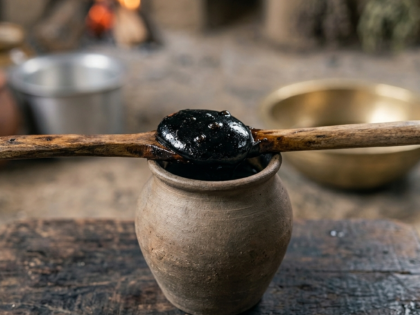
For this reason, Ayurvedic texts describe **Shodhana**, or purification, as an essential step before therapeutic use.
The purpose of Shodhana is traditionally understood to be:
* Removing unwanted impurities
* Improving cleanliness
* Enhancing consistency
* Preparing the material for responsible use
Different Ayurvedic traditions describe different purification media and practices. Modern manufacturers may draw inspiration from these traditions while also applying contemporary quality standards and laboratory testing.
# Traditional Purification: Principles Rather Than Recipes
Classical Ayurvedic literature describes purification as an important stage in preparing many natural substances, including mineral-based ingredients.
While historical texts discuss various traditional methods, modern consumers should understand an important point:
**Purification should only be carried out by trained professionals in appropriate facilities.**
Improperly processed Shilajit may contain contaminants that are not visible to the naked eye.
Today, responsible manufacturers combine traditional Ayurvedic principles with modern scientific quality control to help ensure product safety.
Modern Science Meets Ancient Wisdom
Today’s high-quality Shilajit production goes beyond traditional knowledge.
Reputable manufacturers use advanced analytical techniques to verify quality and purity.
Common quality assessments may include testing for:
* Heavy metals
* Microbial contamination
* Pesticide residues
* Moisture content
* Identity and authenticity
* Fulvic acid profile
* General quality specifications
This combination of traditional heritage and modern laboratory analysis helps provide consumers with a product that is both authentic and responsibly produced.
Why Authentic Sourcing Matters
Because Shilajit has become increasingly popular worldwide, the market has also seen imitation and adulterated products.
Some low-quality products may contain:
* Artificial coloring
* Molasses
* Asphalt-like substances
* Added fillers
* Synthetic ingredients
Authentic Himalayan Shilajit should come from reputable sources that emphasize transparency, purification, and quality testing.
Consumers should always choose products from trusted brands that prioritize safety over exaggerated claims.
Frequently Asked Questions
-
Why is the purity of Shilajit so important?
Purity is one of the most important factors when choosing Shilajit. Since it is naturally collected from mountain rocks, raw Shilajit may contain impurities such as soil, sand, plant residues, and naturally occurring heavy metals. Proper purification and quality testing help ensure that the final product is clean, safe, and suitable for consumption.
-
How can consumers verify the purity of Shilajit?
The best way to verify purity is to choose a brand that is transparent about its quality standards. Reputable manufacturers often conduct laboratory testing for heavy metals, microbial contamination, and product authenticity. They may also provide Certificates of Analysis (COAs) or other quality assurance information to demonstrate that the product meets safety standards.
-
Does a higher fulvic acid percentage always mean better Shilajit?
Not necessarily. Fulvic acid is an important natural component of Shilajit, but it is only one part of its complex composition. The overall quality depends on responsible sourcing, proper purification, preservation of naturally occurring compounds, and comprehensive laboratory testing—not solely on a high fulvic acid percentage.
-
Can pure Shilajit become contaminated after processing?
Yes. Even after purification, Shilajit can lose its quality if it is manufactured, packaged, or stored under poor hygienic conditions. Trusted manufacturers follow strict quality control practices, use food-grade packaging, and store the product appropriately to help maintain its purity until it reaches the consumer.
-
Does authentic Shilajit have a standard purity level?
There is no single universal purity percentage for Shilajit because its natural composition varies depending on the geographical source and mineral profile. Instead of focusing on a specific percentage, consumers should look for products that are properly purified, laboratory tested, and manufactured under recognized quality standards.
-
Why should you avoid untested raw Shilajit?
Raw Shilajit has not undergone purification or quality verification and may contain impurities that are not visible to the naked eye. Consuming untested raw material may present unnecessary risks. For this reason, experts recommend using only purified and quality-tested Shilajit from trusted manufacturers.
-
What quality standards should a premium Shilajit brand follow?
A premium Shilajit product should be responsibly sourced, traditionally purified, manufactured in certified facilities, and tested for identity, purity, heavy metals, and microbial safety. Brands that openly share their quality assurance practices demonstrate a stronger commitment to consumer trust and product consistency.