
Why Is Bee Pollen a Powerhouse of Nutrition A Deep Look at Its Nutritional Value and Benefits
-
Veda Stem- Admin
- Posted on
- 0 comments
Bee pollen has been used for centuries as a natural food and traditional wellness ingredient. Today, it is attracting renewed attention because of its impressive nutritional profile and the wide variety of naturally occurring compounds it contains.
But what exactly makes bee pollen so nutritionally interesting?
Bee pollen is not simply “pollen collected by bees.” It is a natural mixture of flower pollen, nectar, bee secretions, and other plant-derived substances that bees gather and bring back to the hive. Because pollen comes from different plants, its nutritional composition can vary significantly depending on its botanical origin, geographic location, season, and harvesting conditions.
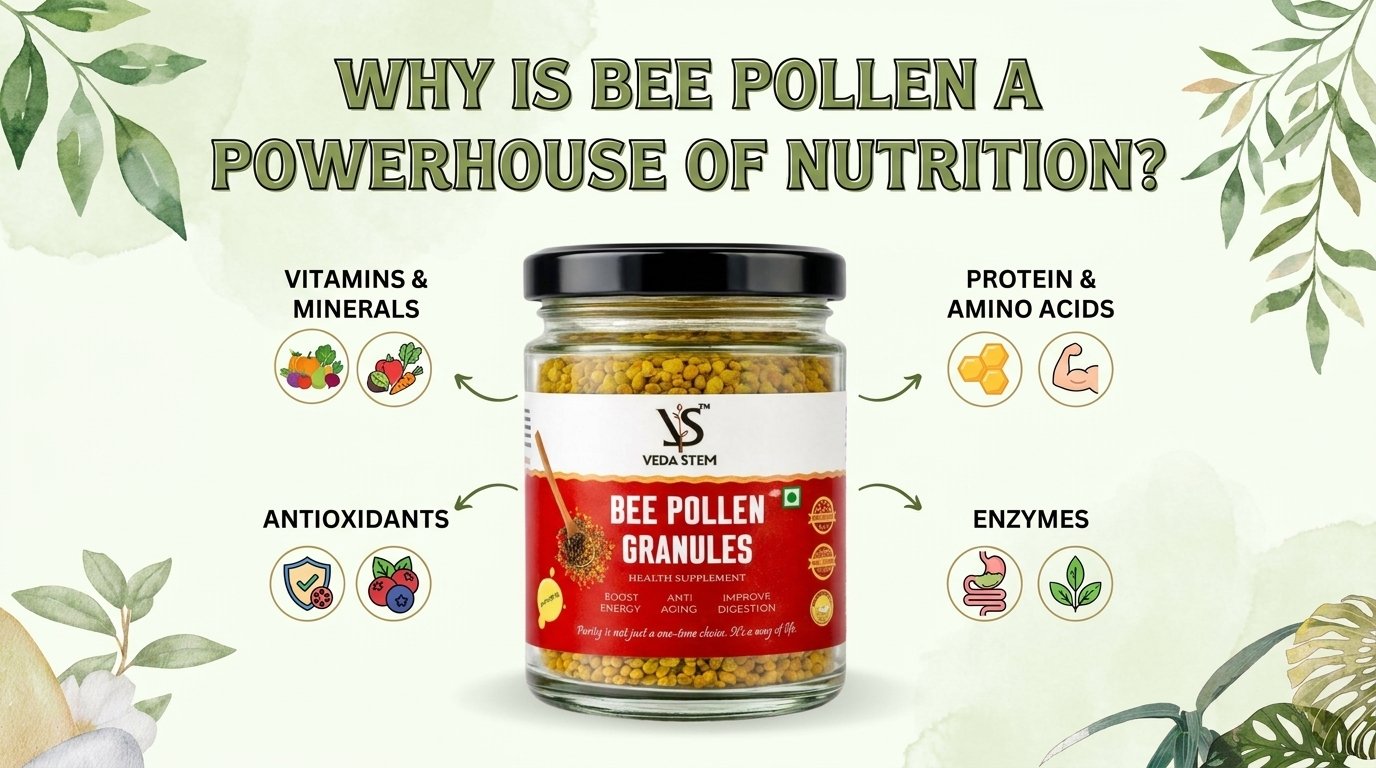
This natural variation is one reason bee pollen is such a fascinating food. It can provide a combination of proteins, amino acids, carbohydrates, healthy fats, vitamins, minerals, enzymes, polyphenols, flavonoids, and other bioactive plant compounds in a single natural ingredient.
What Is Bee Pollen?
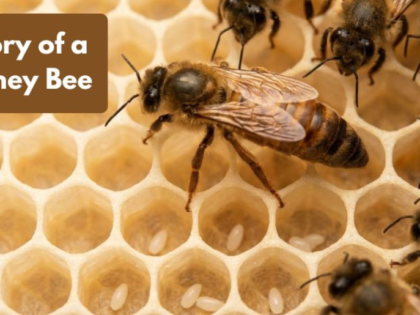
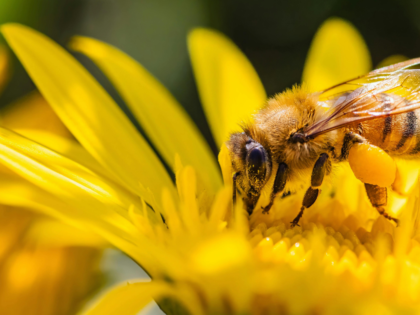
Bee pollen is collected by honeybees from flowering plants. As bees move from flower to flower, pollen grains stick to their bodies. The bees then mix the pollen with small amounts of nectar and their own secretions, forming tiny granules that are carried back to the hive.
Beekeepers can collect these granules using specially designed pollen traps placed at the entrance of a hive. The collected pollen is then cleaned and processed for human consumption.
The final product can have different colors, flavors, aromas, and textures depending on the plants from which the pollen originated.
You may find bee pollen in shades of:
- Yellow
- Orange
- Golden
- Brown
- Green
- Red
- Purple
This diversity reflects the botanical variety of the flowers visited by the bees.
Importantly, bee pollen is different from bee bread. Bee bread is pollen that has undergone fermentation and storage inside the hive. Bee pollen sold as a food or supplement is generally collected before this fermentation process.
The Nutritional Profile of Bee Pollen
One of the main reasons bee pollen is considered nutritionally valuable is its complex composition.
Although exact nutritional values differ from one sample to another, bee pollen generally contains several important nutrient categories.
- Protein and Essential Amino Acids
Protein is one of the most interesting nutritional components of bee pollen.
Depending on its botanical source, bee pollen can contain a meaningful amount of protein. More importantly, it provides a variety of amino acids, including some essential amino acids that the human body cannot produce on its own and must obtain through food.
Amino acids are the building blocks of proteins and play important roles in:
- Muscle maintenance
- Tissue repair
- Enzyme production
- Hormone formation
- Immune system function
- Neurotransmitter production
The protein content of bee pollen varies considerably. Some pollen types may contain higher levels of protein than others, which is why it is not accurate to assume that every bee pollen product has exactly the same nutritional value.
Bee pollen should not be considered a replacement for high-quality protein foods such as legumes, dairy, eggs, fish, or meat. However, it can contribute to overall dietary diversity.
- Carbohydrates for Natural Energy
Carbohydrates are another major component of bee pollen.
The carbohydrates present in bee pollen primarily include naturally occurring sugars and other carbohydrate compounds. These can provide the body with energy.
Unlike highly refined sugary foods, bee pollen comes with a complex mixture of additional nutrients and plant compounds.
This is one reason some people choose to include small amounts of bee pollen in breakfast foods, smoothies, yogurt, or other meals.
However, it is important to remember that bee pollen still contains naturally occurring sugars and calories. More is not necessarily better.
- Healthy Fatty Acids
Although bee pollen is not considered a high-fat food, it can contain a variety of lipids and fatty acids.
Some samples contain unsaturated fatty acids, including polyunsaturated fatty acids.
Fats are essential for the body because they help support:
- Cell membrane structure
- Absorption of fat-soluble vitamins
- Hormone production
- Brain and nervous system function
- Energy storage
The exact fatty acid composition depends heavily on the plant species from which the pollen originated.
- Vitamins Found in Bee Pollen
Bee pollen can contain several vitamins in varying amounts.
Depending on its botanical origin, bee pollen may provide compounds associated with vitamins such as:
- Vitamin B1 (thiamine)
- Vitamin B2 (riboflavin)
- Vitamin B3 (niacin)
- Vitamin B5 (pantothenic acid)
- Vitamin B6
- Folate
- Vitamin C
- Vitamin E
- Carotenoid compounds related to vitamin A activity
B vitamins are particularly important because they participate in energy metabolism and help the body convert food into usable energy.
Vitamin C contributes to normal immune function and collagen formation, while vitamin E is an antioxidant nutrient that helps protect cells from oxidative damage.
- Minerals: Small Amounts, Important Roles
Bee pollen also contains various minerals.
Depending on the source, these may include:
- Potassium
- Calcium
- Magnesium
- Phosphorus
- Iron
- Zinc
- Copper
- Manganese
Minerals are involved in hundreds of biological processes.
For example, magnesium contributes to normal muscle and nerve function. Calcium is important for bones and teeth. Iron is required for hemoglobin formation and oxygen transport, while zinc plays roles in immune function, wound healing, and normal metabolism.
The mineral concentration of bee pollen is influenced by the soil, plant species, geographical location, and environmental conditions.
This means that the mineral profile of pollen collected in one region may differ from pollen collected elsewhere.
- Polyphenols and Flavonoids: The Plant-Powered Side of Bee Pollen
Perhaps the most fascinating aspect of bee pollen is not its basic vitamins and minerals but its wide range of bioactive plant compounds.
Bee pollen can contain polyphenols, flavonoids, phenolic acids, carotenoids, and other naturally occurring phytochemicals.
These compounds are studied because many have antioxidant activity.
Antioxidants help the body manage oxidative stress by interacting with reactive molecules that can damage cells and tissues.
Some commonly studied compounds associated with bee pollen include various flavonoids and phenolic compounds. However, the specific profile depends on the plants visited by the bees.
This is an important scientific point:
The nutritional and phytochemical composition of bee pollen is highly dependent on botanical origin.
Therefore, research findings from one type of pollen cannot automatically be applied to every bee pollen product available on the market.
Why Is Bee Pollen Called a Nutritional Powerhouse?
The term “nutritional powerhouse” is often used because bee pollen combines many different nutritional components in one natural food.
It may contain:
Protein + Amino Acids + Carbohydrates + Fatty Acids + Vitamins + Minerals + Polyphenols + Flavonoids + Carotenoids + Other Bioactive Compounds
This combination makes bee pollen nutritionally interesting.
The real value of bee pollen is not necessarily one “magic” nutrient. Instead, it is the synergy of many naturally occurring nutrients and bioactive compounds.
This is similar to the broader concept of food synergy, where the nutritional value of a whole food comes from the interaction of multiple components rather than one isolated ingredient.
Bee Pollen and Antioxidant Nutrition
Oxidative stress occurs naturally in the body as part of normal metabolism. Environmental factors such as pollution, smoking, excessive UV exposure, and other stressors can also contribute to oxidative stress.
Foods rich in naturally occurring antioxidant compounds are therefore an important part of a balanced diet.
Bee pollen contains several plant-derived compounds with antioxidant activity, particularly polyphenols and flavonoids.
Laboratory and experimental studies have investigated the antioxidant properties of different bee pollen samples. However, antioxidant activity measured in a laboratory does not automatically mean that consuming bee pollen will produce the same effect in humans.
Bee Pollen and Natural Energy
Many people consume bee pollen as part of their morning routine because of its nutritional composition.
Its carbohydrates can contribute energy, while its protein, amino acids, vitamins, minerals, and other compounds add nutritional complexity.
However, bee pollen should not be confused with a stimulant like caffeine.
It does not provide the same immediate stimulant effect as coffee or tea. Instead, its appeal comes from being a nutrient-containing natural food that can complement an otherwise balanced diet.
For people who want to improve daily nutrition, adding a small amount of bee pollen to breakfast may be an interesting option.
How to Add Bee Pollen to Your Diet
Bee pollen is easy to incorporate into everyday foods.
You can sprinkle it over:
- Yogurt
- Oatmeal
- Smoothie bowls
- Fresh fruit
- Breakfast cereals
- Salads
- Smoothies
Some people also consume it directly.
Because bee pollen has a naturally floral and slightly sweet flavor, it can work well with foods such as honey, yogurt, fruits, and nuts.
Start with a small amount if you have never consumed bee pollen before. This is particularly important because bee pollen can cause allergic reactions in sensitive individuals.
Bee Pollen vs. Other Superfoods
Bee pollen is sometimes compared with spirulina, chia seeds, flaxseeds, royal jelly, and other nutrient-rich foods.
Each has a different nutritional profile.
Chia seeds are well known for fiber and omega-3 fatty acids. Flaxseeds provide alpha-linolenic acid and lignans. Spirulina is known for its protein and pigments. Bee pollen stands out because of its combination of plant pollen nutrients and bee-derived components, including protein, amino acids, vitamins, minerals, and diverse phytochemicals.
Rather than asking which superfood is “the best,” it is more useful to include a variety of nutrient-rich foods in the diet.
“For anyone interested in natural nutrition, bee pollen offers a fascinating example of how the world of plants and the work of honeybees come together to create a unique food.”
How Much Bee Pollen Should You Consume?
There is no universally established standard serving size for bee pollen because nutritional composition varies between products and there is limited clinical evidence defining an ideal daily dose for general wellness.
Many commercial products recommend starting with a small quantity and gradually increasing it according to the product label.
Always follow the manufacturer’s serving instructions and consider your individual dietary needs.
Bee pollen should complement a balanced diet rather than replace fruits, vegetables, whole grains, legumes, nuts, seeds, or other nutrient-rich foods.
Who Should Be Careful With Bee Pollen?
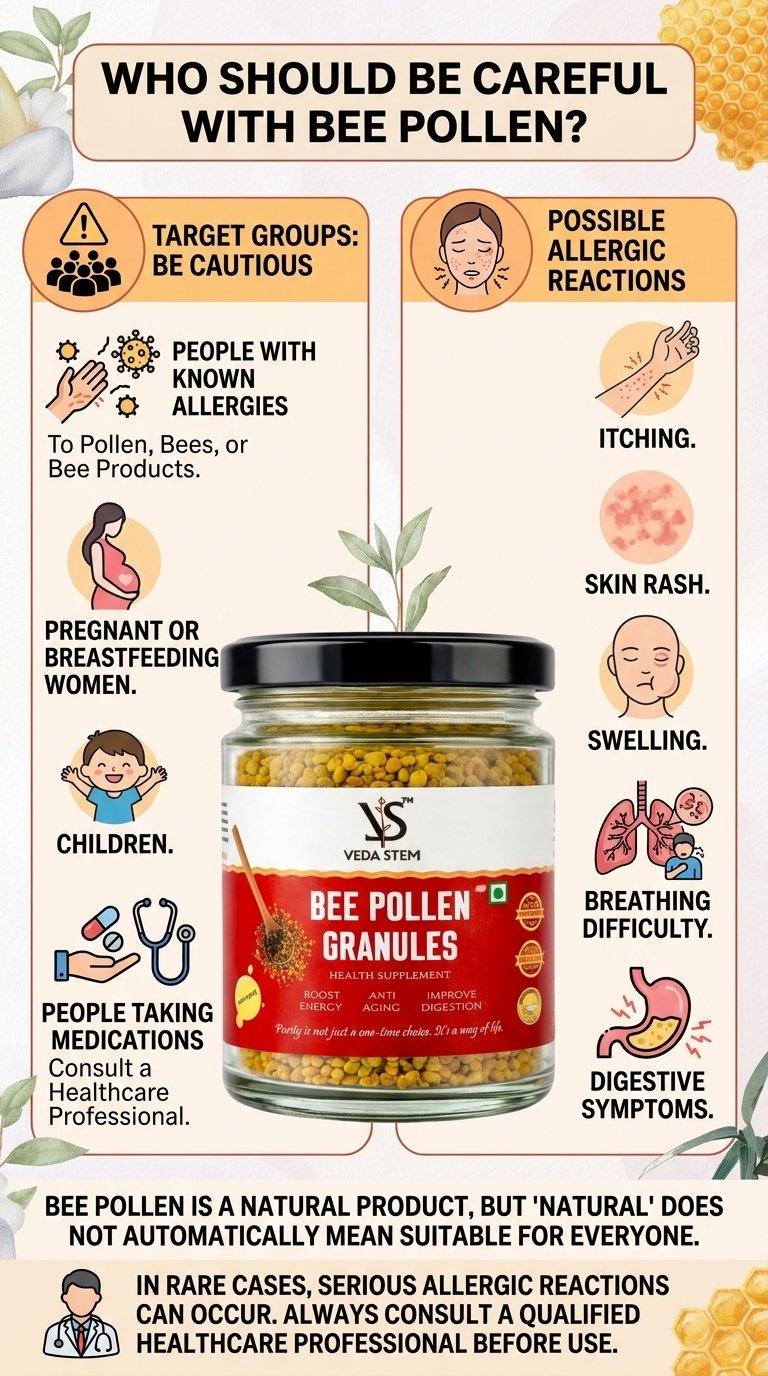
Bee pollen is a natural product, but “natural” does not automatically mean that it is suitable for everyone.
People with known allergies to pollen, bees, or bee products should be particularly cautious.
Possible allergic reactions can include:
- Itching
- Skin rash
- Swelling
- Breathing difficulty
- Digestive symptoms
In rare cases, serious allergic reactions can occur.
Pregnant or breastfeeding women, children, and people taking medications should consult a qualified healthcare professional before using bee pollen as a supplement
The Bottom Line: Why Bee Pollen Deserves Attention
Bee pollen is nutritionally fascinating because it brings together a broad spectrum of naturally occurring nutrients and bioactive compounds.
Its nutritional profile may include:
- Protein and amino acids
- Natural carbohydrates
- Fatty acids
- B vitamins
- Vitamin C and vitamin E
- Minerals
- Polyphenols
- Flavonoids
- Carotenoids
- Other plant-derived compounds
However, one of the most important facts to understand is that bee pollen is not nutritionally identical from one product to another.
Its composition can change according to the flowers visited by bees, geographical region, climate, soil, harvesting method, storage, and processing.
That natural variability is both part of its uniqueness and a reason consumers should choose high-quality products from trustworthy sources.
Bee pollen should not be viewed as a miracle food or a substitute for medical treatment. Instead, it can be appreciated as a nutrient-dense natural food that may add nutritional variety to a balanced lifestyle.
Frequently Asked Questions About Bee Pollen
-
Is bee pollen a complete food?
Bee pollen contains a broad range of nutrients, including protein, amino acids, carbohydrates, fatty acids, vitamins, minerals, and plant compounds. However, it should not be considered a nutritionally complete replacement for a varied human diet.
-
Does bee pollen contain protein?
Yes. Bee pollen can contain significant amounts of protein, although the exact quantity varies according to botanical source and processing. It also provides various amino acids.
-
Is bee pollen rich in antioxidants?
Many types of bee pollen contain polyphenols and flavonoids that demonstrate antioxidant activity in laboratory studies. However, the antioxidant profile varies between samples, and laboratory antioxidant activity should not be interpreted as proof of specific health effects in humans.
-
Can bee pollen be consumed every day?
Some people consume bee pollen regularly, but there is no universally established daily dosage for everyone. Follow the product's serving recommendations and consider individual factors such as allergies and medications.
-
Is bee pollen safe for everyone?
No. People with allergies to pollen or bee products may experience allergic reactions. Pregnant or breastfeeding women, children, and people taking medication should seek professional advice before using bee pollen supplements.
-
What makes bee pollen different from honey?
Honey is primarily a carbohydrate-rich food made from nectar, while bee pollen contains pollen grains collected from flowers and can provide protein, amino acids, vitamins, minerals, fatty acids, and plant compounds. They are nutritionally different bee products.